Reading Manga Before the Translation Exists
There’s a specific kind of torture manga readers know well: the chapter is out. It exists. People in Japan are discussing it right now, spoilers are leaking into your feeds — and the English version is two weeks away. For less popular series, “away” might mean never; official localization skips most titles, and scanlation groups are volunteers who burn out and drop projects.
The raws are right there. The only thing between you and the chapter is the language.
The honest options
Learning Japanese well enough to read manga comfortably takes a year or two — kanji without furigana, handwritten fonts, vertical text. Worth doing, but it doesn’t help with tonight’s chapter.
The screenshot route — capture a page, run it through Google Lens, return, find your panel — technically works and completely destroys the reading experience when you’re doing it on every single page.
The middle path: keep your manga app open and let a floating window translate what’s on screen. PiP Translate reads the Japanese text with OCR and shows the English beside the page, live. You stay in the reader; the chapter stays a chapter instead of a stack of screenshots.
 PiP Translate
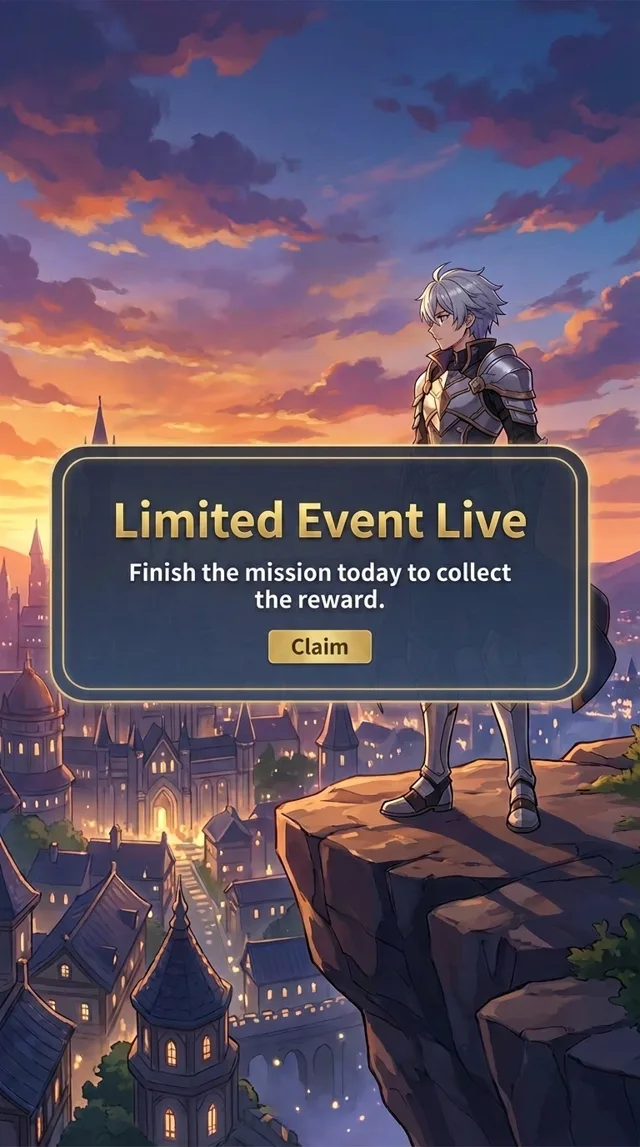
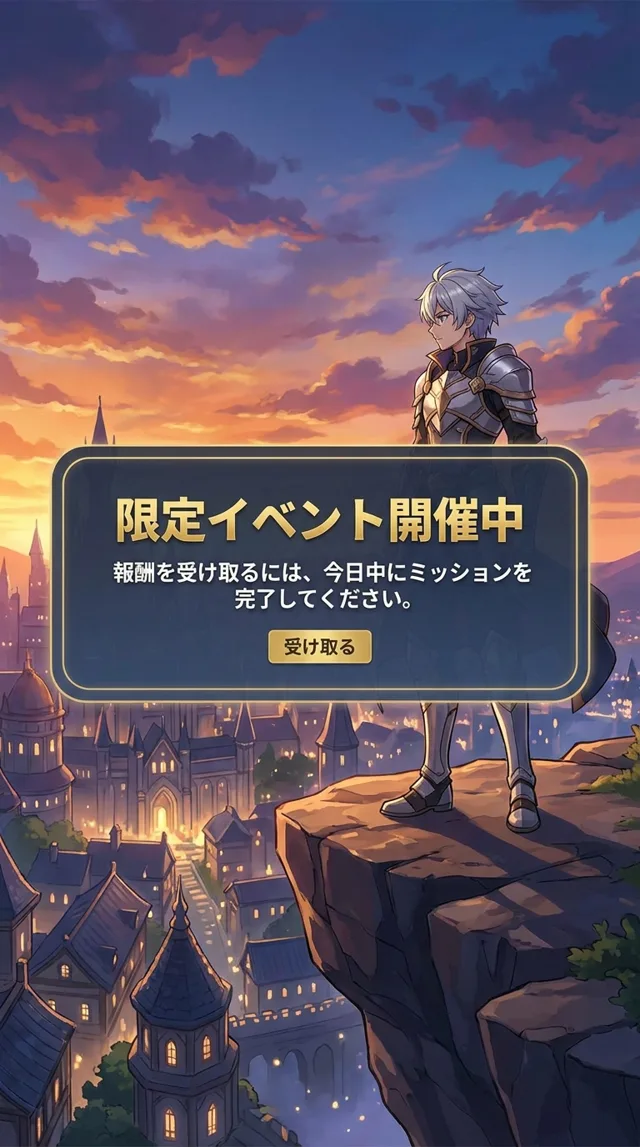
The pattern: Japanese text over art, translated in the floating window — same idea in your manga reader
It works with the reader you already use
Because it reads the screen rather than plugging into any particular app, the source doesn’t matter:
- Multi-source readers — Tachimanga, Aidoku, Paperback
- Official Japanese platforms — LINE Manga, Piccoma, Shonen Jump+, eBookJapan
- Everything else — MangaDex in the browser, ComicGlass, any PDF or CBZ reader holding downloaded raws
If the page renders on your iPhone, it can be read.
Getting good results out of it
OCR on manga has real failure modes, and a few habits work around most of them:
- Zoom into the bubble. Bigger, cleaner text recognizes dramatically better than a full-page view.
- Read panel by panel. Matching the app’s pace to your reading pace beats trying to swallow a page at once.
- Let the sound effects go. Stylized SFX baked into the art are the hardest case; the dialogue is where translation earns its keep.
- Expect wordplay to wobble. Puns and name jokes come through literal. If a line seems bizarre, that’s usually why.
Clean digital releases translate noticeably better than grainy scans, and standard typeset fonts beat handwritten styles.
Where this fits
This isn’t a replacement for a good scanlation or the official release — a human translator handling nuance, tone, and lettering still wins. It’s for the gap: the chapter that just dropped, the series nobody picked up, the light novel that will never get licensed, the “I just want to know what happens” moment at midnight.
A good way to start: run it on a chapter you’ve already read in English. You’ll calibrate quickly on how it handles your series’ fonts — and next time the raw drops early, you’re reading it that night.
PiP Translate is on the App Store. Also useful for Japanese games when the localization is months behind.